
A demand generation strategy is how a B2B company moves the right buyers from unaware to interested, before any of them asks for a demo. It ties content, channels and sales together to grow demand, not just harvest it.
This guide explains what it is and how it differs from lead generation. It then covers the six steps, the tactics for each funnel stage (the path from first awareness to purchase) and the mistakes to avoid.
What is a demand generation strategy?
A demand generation strategy is your plan for moving the right buyers from unaware to ready to talk to sales. Its goal is pipeline quality, not lead volume.
Pipeline is the set of open sales opportunities and their value. A good B2B demand generation strategy is judged on the deals it feeds, not the forms it fills.
It does two jobs. Creating demand means making buyers who aren't looking yet aware of a problem and of your way of solving it. Capturing demand means converting the people who are already searching.
Capture is easier to measure, so it tends to win the budget. But it only works on buyers who already exist, and creation is what grows that pool. For the bigger picture, see the complete guide to demand generation.
How demand generation differs from lead generation and marketing
Demand generation makes buyers want what you sell; lead generation turns that interest into names your sales team can contact. Lead generation is the capture step inside a demand generation strategy, not a replacement for it. This demand gen vs lead gen comparison goes deeper.
Demand generation is also part of marketing, not all of it. It focuses on creating and nurturing demand that ends in pipeline, while brand, product marketing and sales enablement overlap with it.
How to build a demand generation strategy in 6 steps
Work through the steps in order, since each one builds on the decisions you made in the step before.
1. Set pipeline-based goals
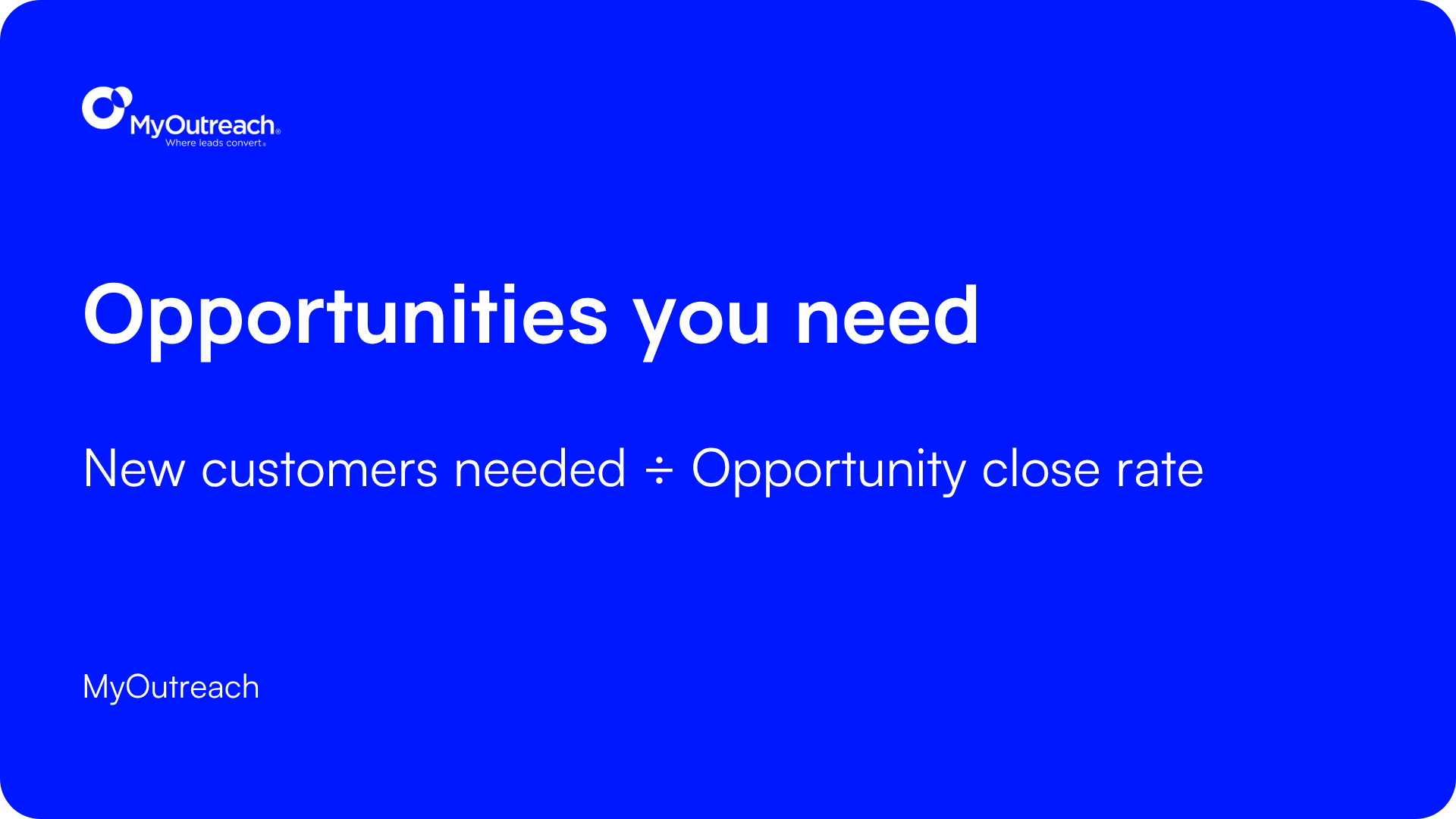
Measure success in pipeline, for example the number of qualified opportunities you create each quarter, not in leads or downloads. A qualified opportunity is a prospect your sales team has accepted as a real potential deal. Count leads instead, and a campaign can hit its target while sales gets nothing worth calling.
Work backwards from revenue. If you need 20 new customers a quarter and close one in four qualified opportunities, you need 80 opportunities.
2. Define your ideal customer
Write down your ideal customer profile (ICP): the company traits, the buying roles involved and the problem they're trying to solve. Without it, demand generation strategies end up guessing at content and channels.
A useful ICP is specific enough to rule companies out. For example: "US fintech firms with 200 to 2,000 staff, where the VP of Risk owns the budget".
You can target broadly, by segment, by niche or account by account. A narrow niche usually beats mass targeting, because the message can be sharper and the budget goes further.
3. Learn what buyers are asking
Collect the questions your buyers ask before they ever talk to you. Those questions show you where demand already exists and what content to make.
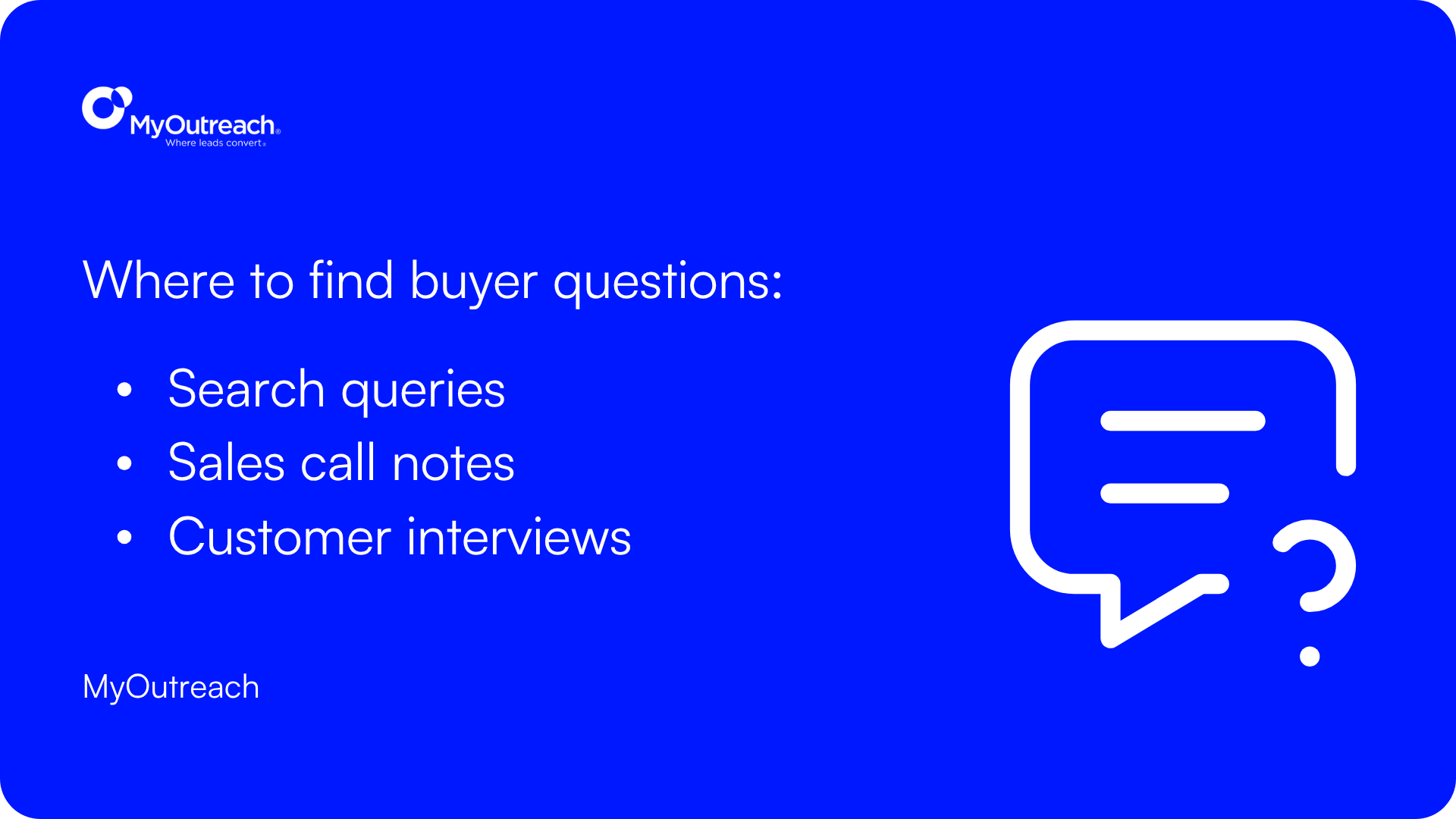
Pull them from three places: search queries in your category, sales call notes and customer interviews. A question like "how do we prove marketing's impact on revenue?" might show up in all three. Recurring questions like that are your strongest content topics.
4. Create content and a clear value proposition
Build content that answers the questions from step 3, one question per piece where you can. Content that answers a real question earns attention; content that only describes your product mostly doesn't.
Then write one sentence that says what makes your offer different and who it's for. For example: "We help mid-market security teams pass compliance audits in weeks, not quarters." Every piece of content should back that sentence up.
5. Choose channels and touchpoints
Start with the two or three places your buyers already go for answers, and show up there consistently before you add a new channel. B2B buyers rarely act after one exposure, so frequency in a few places beats a single appearance in many.
For a technical audience, that might be search, LinkedIn and a monthly email. For executives, it might be events and industry publications.
6. Measure and align with sales
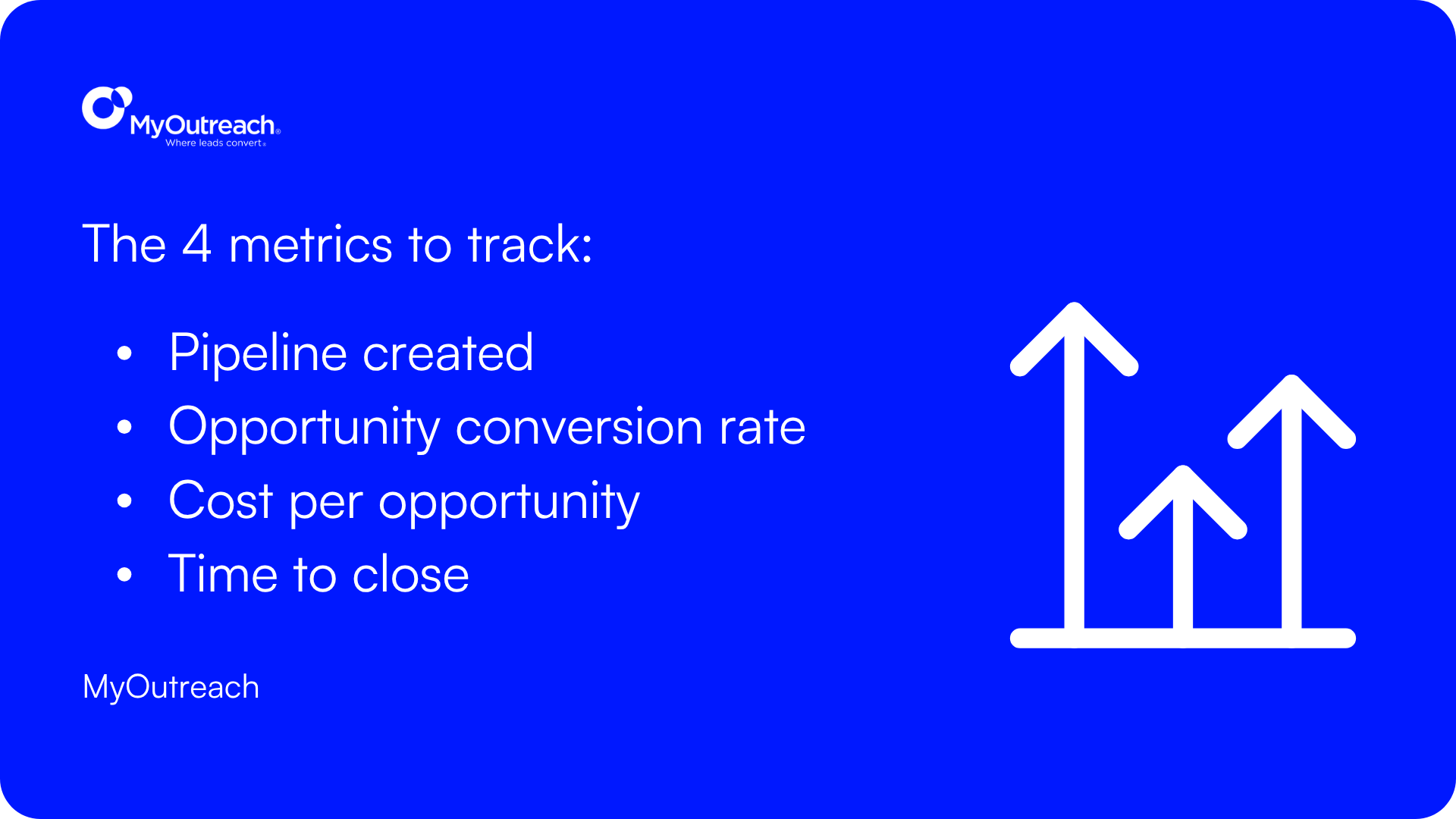
Track pipeline created, opportunity conversion rate, cost per opportunity and time to close. Agree with sales, in writing, what counts as a qualified opportunity, or the two teams will report different numbers from the same funnel.
Review the figures together every month. Give a demand gen strategy at least two quarters before you judge it, because buyers who weren't looking yet take time to come into market.
Demand generation tactics by funnel stage
Buyers want different things at each funnel stage, so each one needs its own tactics.
Common demand generation strategy mistakes
- Measuring only form fills, which rewards volume and hides whether any pipeline came from them.
- Gating everything, so buyers who aren't ready to talk never see your best thinking.
- Treating demand generation as top of funnel only, with no agreed handoff to sales.
- Copying another company's channels without evidence that your own buyers use them.
FAQs
What is the 70/20/10 rule in marketing?
The 70/20/10 rule is a rule of thumb for splitting budget or content. Roughly 70% goes on what you know works, 20% on promising extensions and 10% on experiments. It comes from marketing practice, not research, so treat the split as a starting point.
What is the rule of 7 in B2B marketing?
The rule of 7 suggests buyers need to come across your message roughly seven times before they act on it. It's a rule of thumb from marketing practice, not a research finding, so don't plan around the exact number. The useful lesson is repetition across a few channels.
What is the 5-minute rule for leads?
The 5-minute rule says you should contact an inbound lead within five minutes, while their interest is highest. The payoff figures quoted online come from old studies, but the principle is sound: slow follow-up wastes demand you've already paid to create.
Start this week with step 1: write down how many qualified opportunities you need next quarter and work back from there. MyOutreach runs demand generation for B2B tech companies, and you only pay for qualified leads, so if you want help filling that pipeline, let's chat.