.jpeg)
Executive roundtable or webinar: two formats, very different outcomes, so how do you know which one is right for your marketing goals?
This blog post breaks down 10 B2B event aspects to compare executive roundtable events vs webinars. After reading this, you should know which event format is suitable for your business goals.
Executive Roundtables vs Webinars: Understanding the Core Difference
Before choosing an event format, you need to know what outcomes you’re optimising for. In this comparison, we’ll break down 10 key event goals and show you how webinars and executive roundtables perform in each scenario.
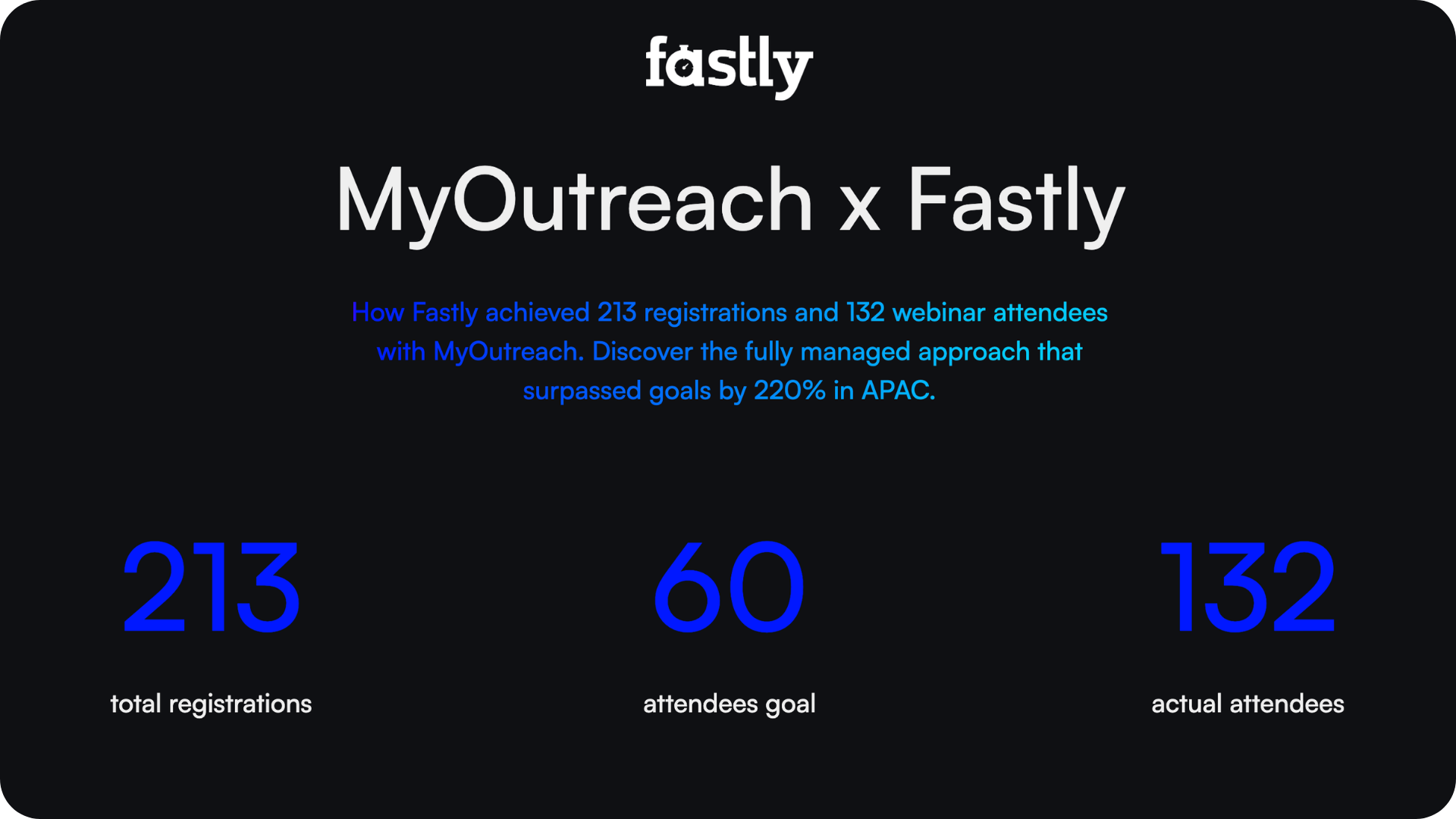
Webinars prioritise scale. They’re designed to reach large audiences with a consistent message, making them ideal for brand awareness, product education, and TOFU demand generation. They’re cost-efficient to produce, easy to promote, and simple to measure through volume-based metrics like registrations and views.
Executive roundtables prioritise depth. They’re invite-only, deliberately small, and built for genuine peer-to-peer discussion among senior decision-makers. Instead of broadcasting to an audience, they bring a curated group of executives into a conversation, building the trust, credibility, and relationships that move complex deals forward.
Neither format is better. They serve different funnel stages and strategic objectives. Below, we compare them across 10 dimensions so you can match your format to your goal.
Conversion & Qualification
1. Show-Up Rates & Attendee Commitment
Webinars: Typically attract high registration numbers, but attendance rates can be unpredictable. That said, even a fraction of a large audience can represent significant pipeline if nurtured well.
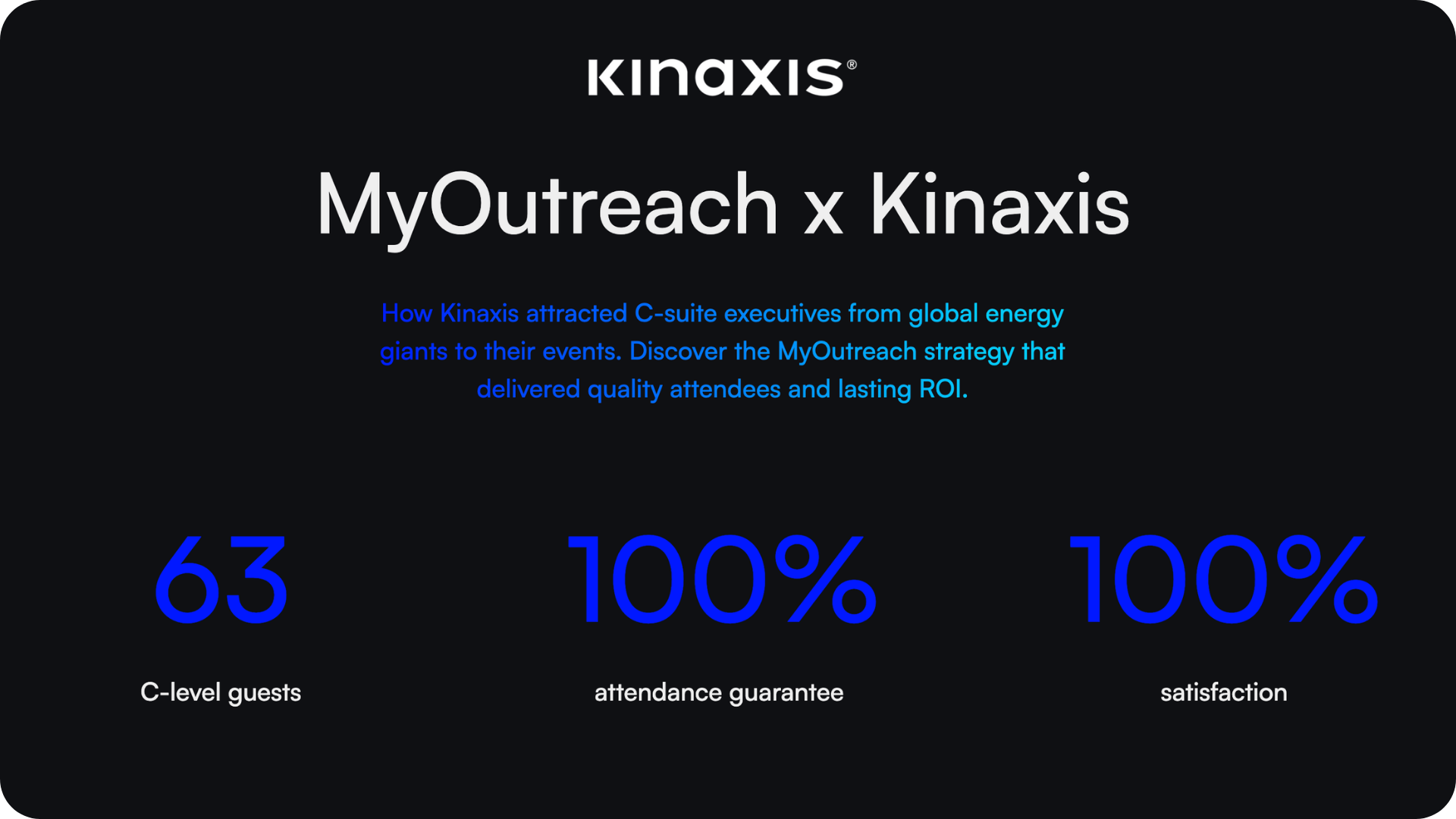
Executive roundtables: Seats are limited and invite-only, so attendees tend to treat them as commitments. A VP of Operations who accepts a private dinner invitation with a handful of peers is far more likely to attend and to arrive prepared and engaged.
Webinars give you volume; roundtables give you certainty of attendance and higher engagement from those who do show up.
2. Audience Qualification
Webinars: Cast a wide net, which is genuinely useful when you’re building brand awareness or reaching new audiences you haven’t yet identified. Anyone can register, which means leads require qualification after the event.
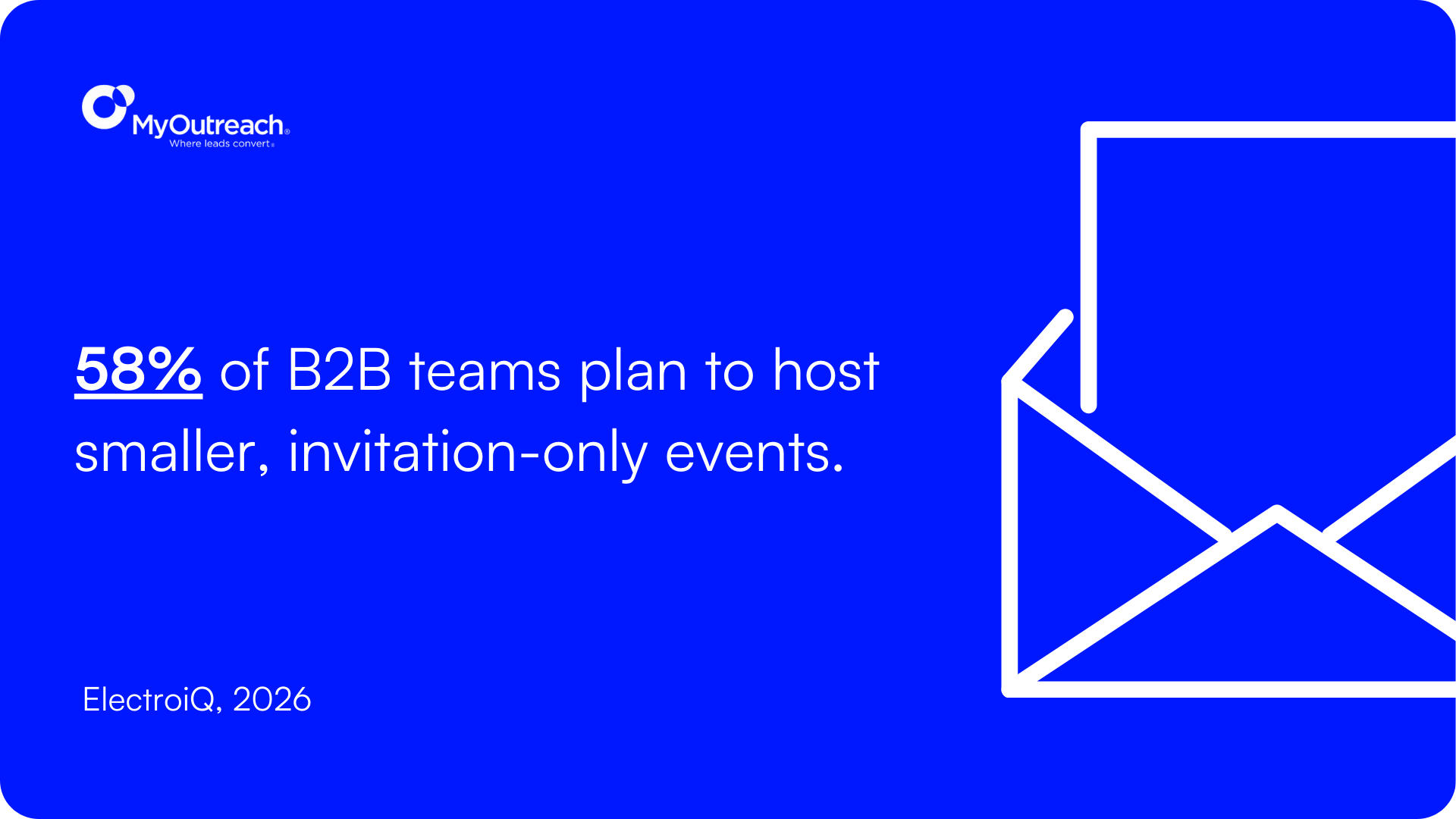
Executive roundtables: Every attendee is hand-picked, your team pre-qualifies participants before they walk in the door. You already know their title, company size, and if they're a fit for your ICP.
Webinar approach: broad reach → post-event qualification → gradual pipeline development
Roundtable approach: tight targeting → pre-qualified attendees → faster pipeline progression
The right choice depends on where your gaps are. If you need to fill the top of the funnel with new names, webinars deliver. If you need to activate a specific list of target accounts, roundtables are more efficient.
3. Conversation Quality & Buyer Intent
Webinars: Deliver value here too, particularly when they feature strong speakers, relevant topics, and live Q&A. A well-run webinar can spark meaningful follow-up conversations at scale.
Executive roundtables: Research shows that senior executives benefit significantly from structured peer engagement. Company leaders who participate in peer groups report stronger performance and better strategic decision-making.
The distinction is in the depth of conversation: a webinar generates a large number of interactions at a surface level, while a roundtable generates fewer but richer conversations.
Relationship Building
4. Peer-to-Peer Dynamics
Webinars: Unlike roundtables, webinars are a one-to-many format , but a well-positioned webinar with a credible speaker builds your brand as a thought leader across a wide audience simultaneously. The social proof is different in nature: it comes from association with respected voices and ideas rather than.
Executive roundtables: One of the most powerful aspects of executive roundtables is the peer effect. When a CISO hears another CISO describe a challenge and how they solved it, that carries significant weight. Roundtables create conversations where executives challenge and validate each other's thinking in real time.
If peer influence matters most, choose roundtables. If reach and visibility matter more, choose webinars.
5. Multi-Stakeholder Engagement
Webinars: Typically reach whoever clicks your email - often one person per account.
Executive roundtables: Allow you to invite multiple stakeholders from the same target account, building relationships across the buying committee simultaneously.
Result: According to Forrester research on complex B2B buying behaviour, engaging multiple stakeholders across the buying committee improves deal momentum and reduces the risk that an opportunity stalls when a single champion disengages.
That said, webinars aren’t without value here. A well-promoted webinar can be shared internally by an attendee, and a strong on-demand recording can circulate across a buying team organically. The multi-threading is less controlled, but it does happen.
If you're running a formal ABM programme with named target accounts, roundtables offer more deliberate multi-stakeholder coverage. For broader market engagement, webinars reach more accounts overall.
📖 Useful read: Executive Roundtables to Drive Business Growth
6. Access to Candid Business Conversations
Executives rarely share their real challenges in a large public webinar.
Webinars: Generate valuable signals of a different kind: topic of interest, question themes, and content engagement patterns that help you understand what resonates with your broader audience. Both formats produce intelligence, just at different levels of granularity.
Executive roundtables: Enable a small, trusted peer setting with a Chatham House agreement in place, where they’re more open. Roundtable conversations can surface budget cycles, vendor frustrations, upcoming RFPs, and strategic priorities that directly inform your go-to-market approach.
Cost & Pipeline Efficiency
7. Cost-Per-Opportunity
On the surface, webinars are cheaper. They might cost £5,000–£15,000 including promotion, platform fees, and content production. An executive roundtable dinner typically runs £15,000–£40,000 factoring in venue, catering, speaker fees, and logistics.
But the cost-per-opportunity comparison is more nuanced:
Webinar: £12,000 cost, 8 opportunities → £1,500 cost-per-opportunity
Roundtable: £25,000 cost, 12 opportunities → ~£2,083 cost-per-opportunity
Webinars: Deliver more opportunities in aggregate across a wider pool, which has its own compounding value. The best investment depends on your average deal size, sales cycle length, and current funnel stage.
Executive roundtables: Roundtable opportunities tend to involve senior buyers with larger budgets, the average deal value is often higher, which shifts ROI calculation considerably.
8. Pipeline Quality & Progression
Webinars: Webinar-sourced leads sometimes inflate TOFU without progressing - a registrant downloads content, attends a session, then goes quiet. This is a known challenge, and one that good nurture programs are designed to address.
Executive roundtables: Roundtable-sourced opportunities, built on genuine relationships and multi-stakeholder engagement, tend to progress through the funnel at a higher rate. The relationships established in person create follow-up momentum that’s harder to replicate digitally.
That said, webinar pipelines can be highly effective when paired with strong post-event follow-up sequences and clear next steps for engaged attendees.
📖 You might also like: Webinar Best Practices: A B2B Marketer’s Blueprint
Strategic Advantages
9. Community Building & Long-Term Brand Assets
Webinars: Build something different but equally valuable: a database of engaged contacts, a library of on-demand content, and an audience that you can reach repeatedly at scale. A strong webinar series, run consistently over 12 months, becomes a trusted content brand in its own right.
Executive roundtables: The most sophisticated revenue teams use executive roundtables to build something that outlasts any individual event: an executive community. Quarterly gatherings of senior leaders across a sector create a compounding relationship asset that generates referrals, insights, and thought leadership content over time.
Both assets are worth building. Many of the best B2B marketing programs use webinars to grow the audience and roundtables to deepen relationships with the most valuable segment of that audience.
10. ABM Integration
Webinars: Also have a role in ABM - particularly for creating account-level awareness and giving your team a reason to reach out to multiple contacts within a target account. An upcoming webinar is a low-friction, scalable touchpoint that can warm cold accounts before more intensive investment.
Executive roundtables: Especially powerful within ABM programs. When intent data shows a target account researching your category, a personalised invitation to an exclusive roundtable for their C-suite becomes a high-signal, highly personalised touchpoint that’s hard to ignore.
In a mature ABM program, both formats often work together: webinars for broad account coverage, roundtables for deep activation of your highest-priority targets.
📖 Useful read: How to Attract C-Level Delegates to B2B Events
Conclusion: Choosing the Right Format for Your Goals
When you compare executive roundtables vs webinars, the most important question is which is better for what you’re trying to achieve.
- If your goal is reach, awareness, and TOFU volume, webinars are a cost-effective and scalable choice.
- If your goal is building deep relationships with senior decision-makers and pushing complex deals, executive roundtables offer unique advantages.
- If your goal is both the most effective strategies, use both formats in a complementary way.
How MyOutreach Can Help
At MyOutreach, we can help you run executive roundtables or webinars.
Let’s chat what event format makes sense for your goals.
FAQs
Q1. What’s the main difference between executive roundtables and webinars?
Webinars are one-to-many presentations designed for scale and broad reach. Executive roundtables are small, invite-only discussions designed for interaction, relationship-building, and senior decision-maker engagement.
Q2. Which is better for B2B lead generation - roundtables or webinars?
They serve different purposes. Webinars are effective for generating a high volume of leads and building brand awareness. Roundtables are more effective for generating qualified opportunities with senior buyers and advancing deals already in motion. The best approach often combines both.
Q3. When should a company use roundtables instead of webinars?
Roundtables work best when targeting enterprise accounts, engaging senior stakeholders, running ABM programs, or deepening relationships with a known ICP. Webinars work best for awareness, early-stage education, and reaching new audiences at scale.
Q4. Can webinars and roundtables work together?
Absolutely - and this is often an effective approach. Many B2B teams use webinars to build a broad audience and identify engaged prospects, then use roundtables to deepen relationships with the highest-value segment of that audience.


.webp)

.webp)
.webp)