.png)
Choosing between virtual events and hybrid events in B2B isn’t always straightforward. Both options promise reach, engagement and ROI, but the pressure to pick the “right” format can feel overwhelming when budgets are tight and expectations are high.
In this blog post, we’ll break down virtual and hybrid events in B2B - what they are, why they matter, and when to use each. By the end, you’ll know which format fits your budget, goals, and audience, and how to execute it effectively.
Virtual Events: What They Are & Why They Matter
Virtual events are fully online gatherings (e.g. webinars, digital summits, livestreamed conferences) that provide global access without a physical venue.
Why They Work for B2B
A virtual event is designed to deliver value entirely through a digital channel, offering:
- Live or on-demand sessions via webinars or livestreaming platforms.
- Interactive features like polls, chat, and Q&A.
- Analytics that track attendance, engagement and content interest.
This structure makes virtual events ideal for lead generation, brand awareness and BOFU nurturing, since every interaction can be measured and acted on.
📖 Useful Read: Virtual Event Marketing Strategies for Modern B2B
Why B2B Marketing Strategies Still Rely on Virtual Events
Virtual events are still a core part of B2B marketing strategies, because:
- They break through geographic barriers to reach global audiences.
- They reduce costs by eliminating travel, venue, and logistics.
- Provide real-time data that can inform Marketing and Sales follow-ups.
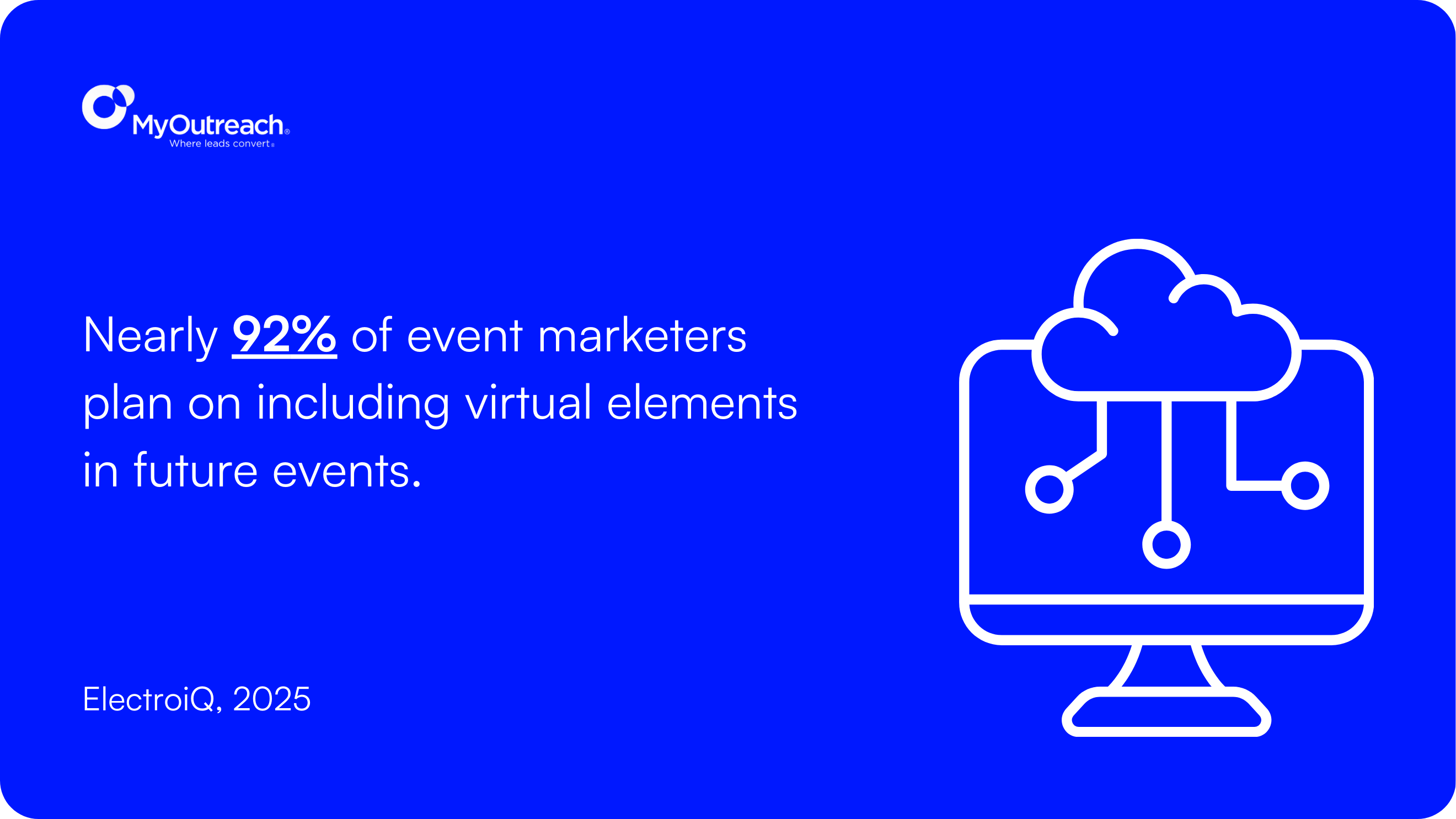
According to industry research, nearly 92% of event marketers plan on including virtual elements in future events.
Common Challenges of Virtual Events
While virtual events are accessible and scalable, they also have some engagement and connection issues.
Digital Distractions & Engagement Drop-Off
Online attendees are easy to lose. Without intentional interactive elements, participants can multitask or exit sessions early.
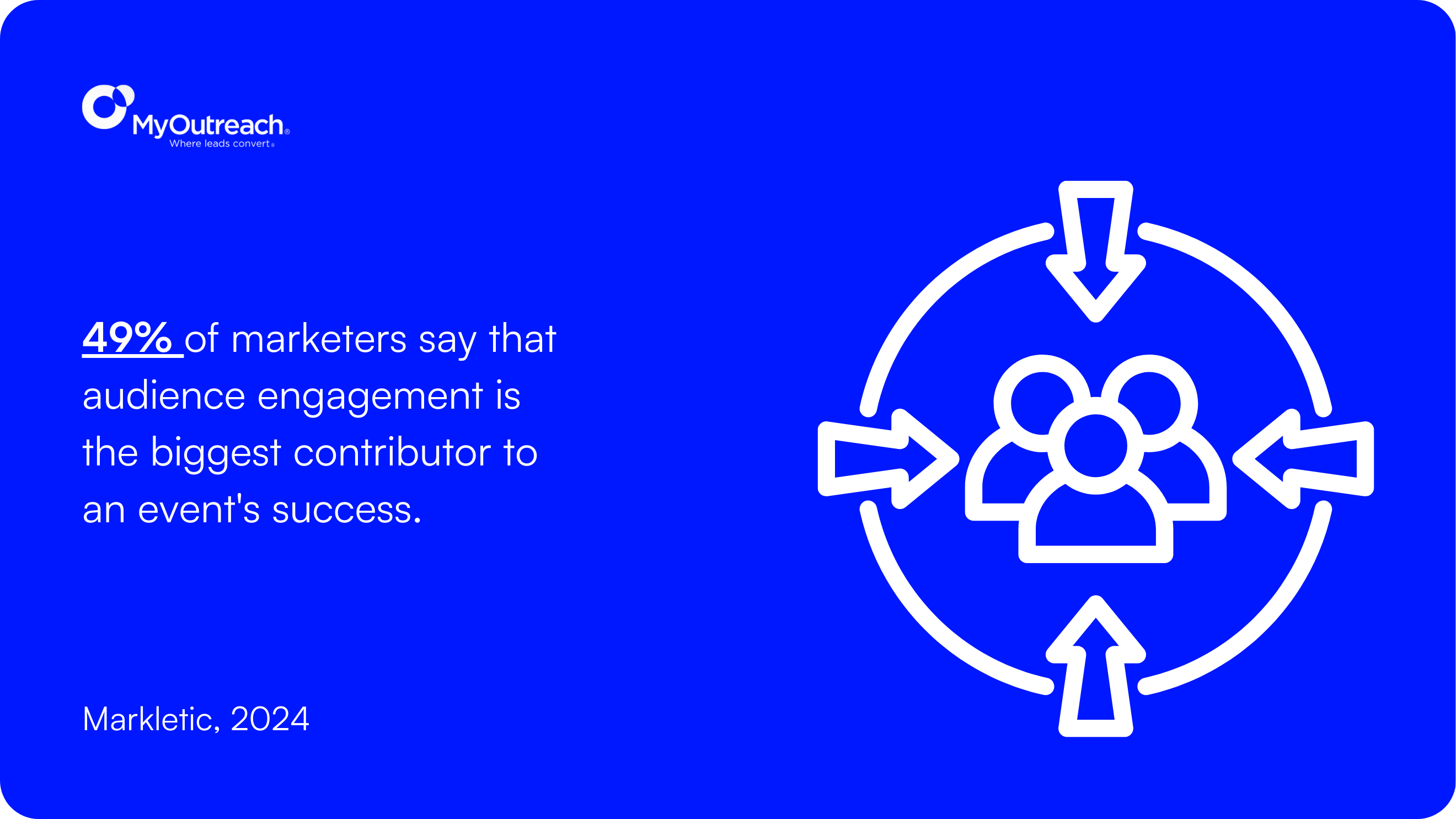
About 49% of marketers say that audience engagement is the biggest contributor to an event's success, so if your event underperforms, a lack of engagement could be the reason.
Networking Challenges: Why Screen-Only Interactions Fail
Networking is one of the most valuable parts of B2B events, but virtual settings can limit this. While chat functions and breakout rooms help, they can rarely match the depth of in-person interactions.
Event planners often report that due to the lack of face-to-face interactions, virtual interactions sometimes feel awkward and forced.
Technical Glitches & Limitations
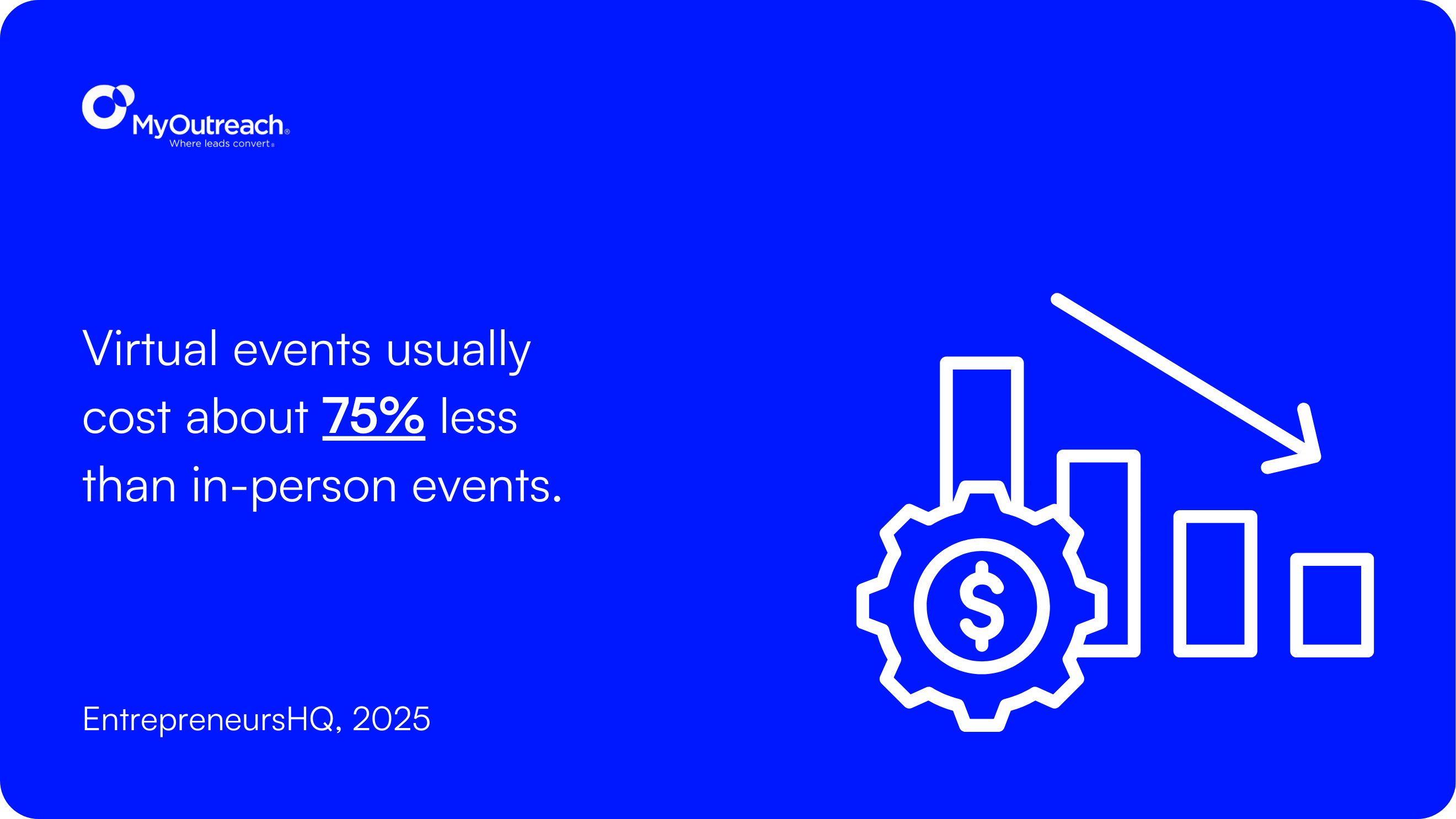
Even the best platforms can't eliminate technical issues. Yes, virtual events usually cost about 75% less than in-person events, but the lower price doesn't mean lower complexity.
You might still experience streaming instabilities, browser compatibility and speaker technical issues.
Without dedicated technical support, small glitches can disrupt sessions and frustrate attendees.
Hybrid Events in B2B: Combining Virtual and In-Person Experiences
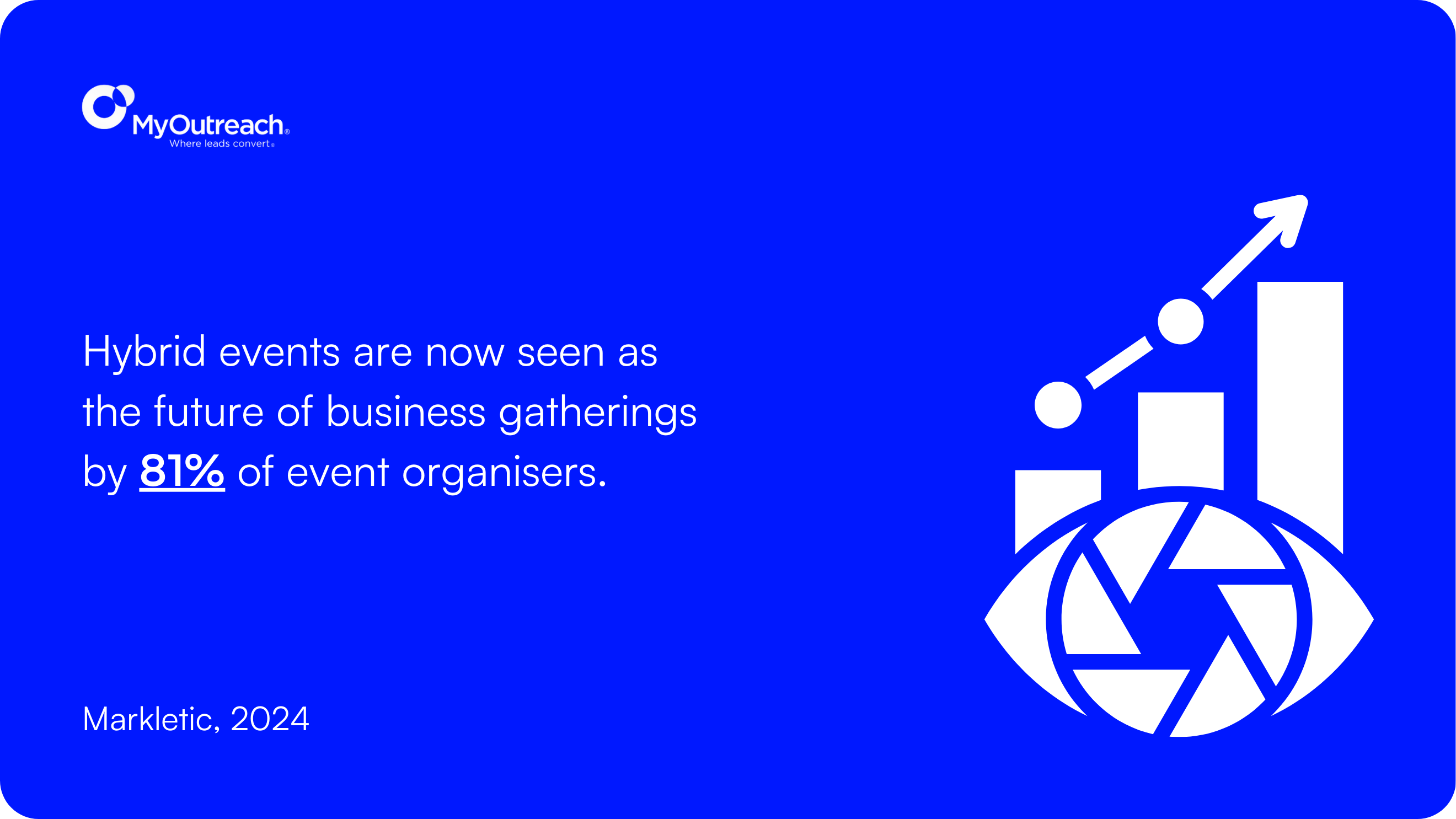
Hybrid B2B events blend in-person and virtual participation, giving attendees the flexibility to decide how they engage. These events are now seen as the future of business gatherings by 81% of event organisers, because they maintain high-value interactions while expanding reach.
📖 Useful read: Top 8 Virtual Event Platforms (Pricing + Features)
Key Structural Elements
Hybrid events combine:
- In-person engagement: networking, demos, breakout rooms.
- Virtual attendance: livestreamed content and digital access.
- Interactive tools that allow both audiences to engage together.
This dual participation model delivers the best of both event formats: personal engagement and wide accessibility.
📖 You might also like: B2B Guide to Planning & Hosting a Virtual Roundtable
Why Hybrid Events B2B Are Becoming a Popular Choice
According to industry data:
- 86% of B2B organisers report positive ROI 7 months after their hybrid event.
- 34% of B2B organisers plan to invest more in hybrid events in the coming years.
- 25% of B2B organisers say they will host 5 to 10 hybrid events each year.
These statistics show that hybrid B2B events are reshaping how organisations generate leads, nurture relationships, and demonstrate thought leadership.
Key Benefits of Hybrid Events in B2B
Hybrid events offer strategic advantages over virtual or physical-only formats.
Improved Reach Without Sacrificing Engagement
Hybrid events enable you to:
- Reach remote audiences who could never attend in person.
- Provide rich, face-to-face moments for local stakeholders.
- Blend dynamic content formats.
The increased flexibility often leads to higher overall attendance and deeper audience engagement.
Better ROI Through Tiered Participation & Data Insights
Hybrid events provide layered revenue opportunities:
- Tiered ticketing (in-person VIP + virtual pass).
- Sponsorship packages spanning both channels.
- Data analytics capturing behaviours across touchpoints.
Around 45% of event organisers aim for a 3x ROI within a year of the event.
Networking & Relationship Building
Hybrid events B2B are great for networking, because:
- In-person attendees enjoy high-touch conversations.
- Digital participants benefit from virtual tools.
- Tools like interactive Q&A and digital lounges enhance engagement.
Research also indicates a stronger business impact, as hybrid networking generates twice as many 1:1 meetings as virtual-only formats.
Challenges Unique to Hybrid Events in B2B
Despite the benefits, hybrid execution is more complex than a single-event format.
Delivering Equally Strong Experiences for Both Audiences
One of the biggest challenges is making sure that both virtual and in-person audiences feel equally valued.
You’re basically running two events at once, each with different expectations, behaviours and technical needs.
To keep both sides engaged, you need purposeful content forms, dedicated support teams and platforms that allow real-time interactions without issues. If one audience feels like an afterthought, engagement drops off fast, and the event's overall impact takes a hit.
Technology Complexity & Logistics
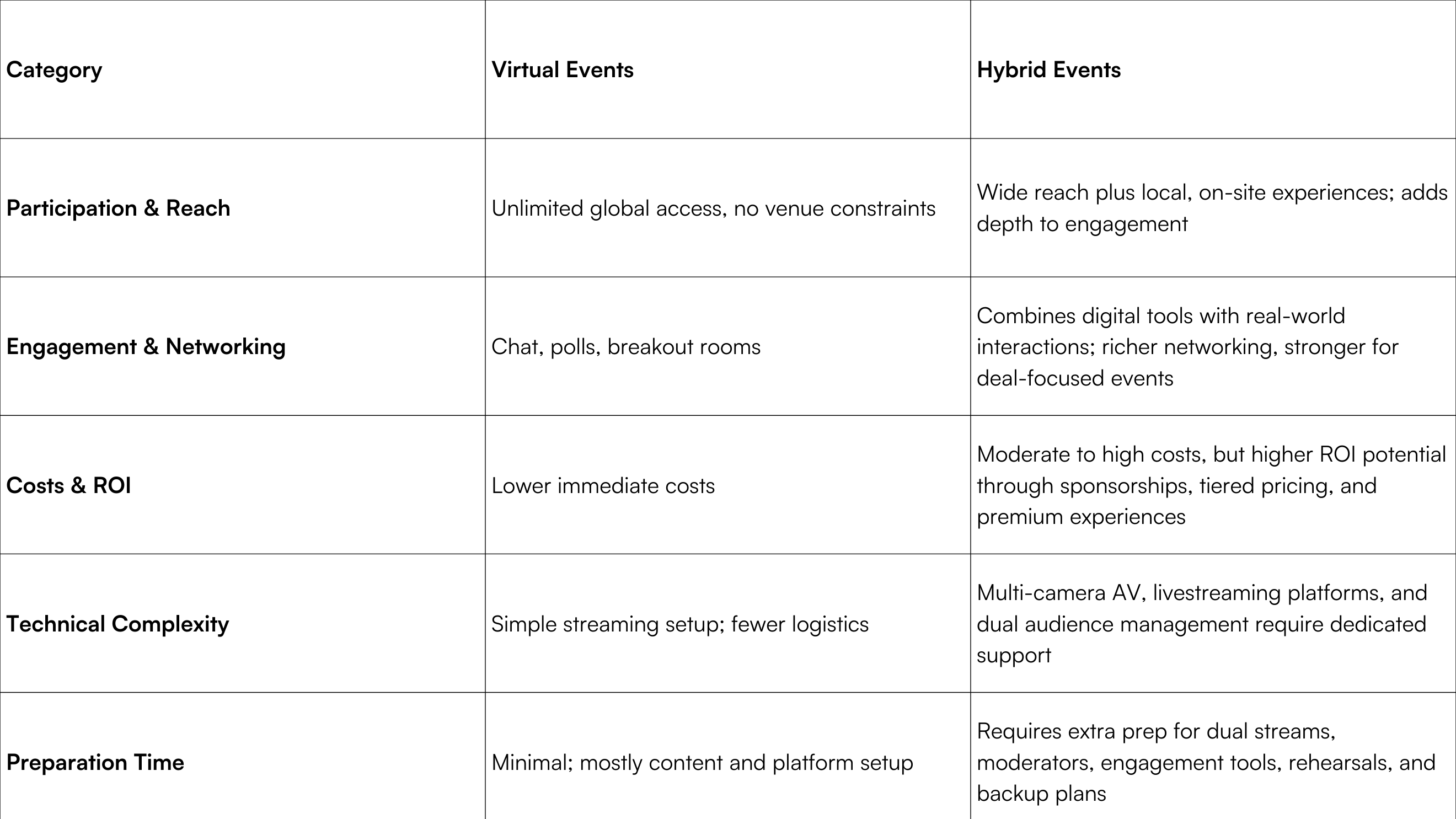
Hybrid events often require professional AV equipment, multi-camera setups and reliable livestreaming platforms - and each layer adds to the complexity of planning and cost.
Around 67% of organisers cite technology as a top concern for smooth hybrid experiences.
Besides equipment and staffing costs, hybrid events demand close attention to logistics (e.g., testing internet speed, backup connections, and rehearsing transitions between in-room presenters and online speakers). Without this level of preparation, technical problems can lead to interrupted streams, poor audio quality, and delayed presentations.
Execution Time & Resource Intensity
38% of organisers report that hybrid events need more preparation time, as coordinating dual streams of content, moderators, speakers, and engagement tools adds layers of complexity.
Hybrid events force teams to manage two audiences simultaneously. Every detail has to be precise to prevent engagement drop-offs.
The extra preparation time also impacts the attendee experience. Well-prepared hybrid events create seamless interactions, higher engagement and measurable ROI, while rushed and poorly coordinated ones risk leaving both audiences dissatisfied.
Virtual vs Hybrid Events B2B Comparison
When to Choose Virtual Events B2B
Virtual events are best when your priorities include scale, education, and cost-efficient lead capture. They allow you to reach larger audiences without the challenges of logistics and big budgets.
Great Fit Scenarios
- Global product webinars: Educate thousands of participants across regions in a single session.
- TOFU awareness campaigns: Build brand recognition and attract prospects at scale.
- Training sessions and thought leadership events: Deliver consistent content and guidance to dispersed teams or communities.
Virtual events are effective at converting awareness into engagement. With great content and interactive tools, you can generate high-quality leads.
When to Choose Hybrid Events B2B
Hybrid events are ideal when your focus is on relationship-building, pipeline improvement, and deep engagement. By combining in-person experiences with virtual access, you can offer flexibility while maintaining high-touch interactions that are critical for high-value B2B initiatives.
When Hybrid Outperforms Virtual
- High-value industry conferences: Combine in-person networking with global reach for even greater visibility.
- Executive roundtables and VIP engagements: Ensure key stakeholders receive a premium, personalised experience.
- Account-Based Marketing (ABM) programs: Strengthen targeted relationships with personalised interactions both online and in-person.
Hybrid formats provide the best of both formats: rich analytics from the digital side while still maintaining in-person engagement and networking quality. They are particularly powerful for events where relationship-building and conversion are primary objectives.
Key Metrics to Track
- Attendance and participation rates: Compare virtual and in-person attendance to understand reach.
- Engagement duration and session interaction: Track how long attendees stay and participate in polls, Q&A, or chat.
- Networking interactions and 1:1 meetings: Measure the effectiveness of relationship-building activities.
- Content consumption and resource downloads: Evaluate which sessions and materials connect most with the audience.
- Lead quality and sales conversions: Assess the event's clear business impact on pipeline and revenue.
Tracking these metrics enables event teams to make data-driven improvements, provide a better attendee experience, and maximise the strategic value of both virtual and hybrid events.
Conclusion
So, which format is better? Neither. It all depends on your goals. Virtual events are powerful for saving money and reaching global audiences, while hybrid events blend personal interactions with wide accessibility, driving deeper engagement and stronger ROI.
Planning thoughtfully and using the right metrics can help you choose the best format for your personal business needs.
How MyOutreach Can Help
MyOutreach delivers customised virtual vent solutions that boost engagement, simplify logistics and drive measurable ROI.
Planning high-impact B2B virtual or hybrid events in B2B? Let’s talk!
FAQs
Q1: Are virtual events still effective for B2B?
Yes - they expand reach and provide detailed engagement data that produces Marketing and Sales follow‑up campaigns.
Q2: What makes hybrid events B2B better than purely virtual ones?
Hybrid formats combine in‑person networking with digital reach and often offer higher ROI potential.
Q3: Do hybrid events cost more?
Often yes, due to logistics and technology, but the ROI from expanded engagement and sponsorships frequently outweighs those costs.
Q4: How do I measure success for either format?
Track attendance, engagement, networking interactions, content consumption, and lead conversions across both virtual and in‑person channels.



.webp)

.webp)
.webp)